
No Ferrets Found in Meeteetse, 40 Years After Rescue Saved the Species
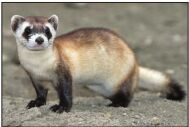
The total wild population of black-footed ferrets numbers about 500. Wikipedia image
Meeteetse, Wyo. (AP) — Wyoming wildlife managers are reporting that no black-footed ferrets are being detected in the cradle of the species’ conservation: the Absaroka Range foothills outside of Meeteetse, where the ferrets were saved after presumed extinction in the 1980s.
A tough combination of plague and drought – both big issues for the embattled western species – are suspected causes of a population collapse in the Meeteetse area, where wildlife managers returned ferrets to the wild in 2016 after a three-decade-long absence. It’s not assured that the reintroduced population is completely gone, but it’s not looking promising.
“We spent a couple hundred hours of effort surveying 4,000 to 5,000 acres of the Meeteetse reintroduction area,” said Wyoming Game and Fish small carnivore biologist Andy Gygli. “We didn’t see any ferrets.”
The absence of ferrets during the late August surveys wasn’t wholly surprising. Sylvatic plague flared in the region in 2018 and 2019, and ferret numbers plunged to just one confirmed animal in 2020. Subsequent releases of captive-raised ferrets, including 18 animals in 2022, helped the small population temporarily recover, but plague struck again in 2023. By 2025, spotlighting surveyors again detected just a single ferret. This summer there were none.
The exact cause of the ferrets’ absence during the surveys is unknown, but recently drought in the Bighorn Basin walloped their primary prey species, prairie dogs. In many corners of the West, there just hasn’t been enough vegetation growth to sustain strong numbers of the grass-eating rodents.