
Near moment of truth: the pre-rut problem
Solve for where the bucks are now, and you can tag out before the chaos kicks in.
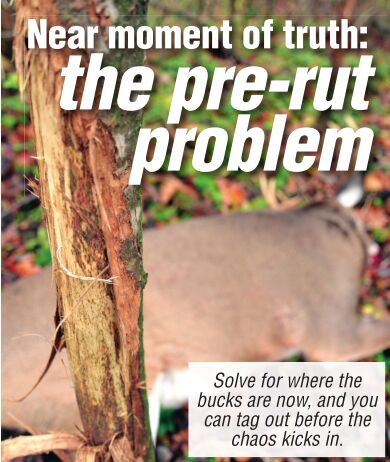
File photo
Good bucks can be vulnerable during the pre-rut, but that doesn’t mean they’ll throw caution to the wind like they might during the heart of the rut. You still need to meet them where they are comfortable moving in daylight, then play the wind, work the sign, and often, go mobile. You also might want to be cautious about using too many rut-friendly tactics right now, because we are still a week or two away from the real chaos of the breeding season and the firearms hunt.
There is a period every fall when the whitetail woods seem to change almost overnight. The bucks are still moving with some semblance of normalcy, but their behavior is becoming increasingly unpredictable, but not so much that you can drill down on their location. Scrapes appear along field edges and logging roads. Rubs start showing up in spots that were devoid of buck sign just a week or two ago. The does often seem a little more on edge, and just a little more flighty.
This is the pre-rut, and for a bowhunter willing to adjust, it can be one of the best windows of the season. The mistake is assuming you need to hunt it like the rut, but you don’t.
In fact, the best pre-rut strategy is often to identify where a mature buck is still comfortable spending daylight hours and then intercept him before the chaos of November completely reshuffles the board.
Wind matters, a lot
Pre-rut bucks start to show some interest in does, and neighboring bucks, but they aren’t stupid. They live off of their noses to keep tabs on the local herd, and to detect danger. The best setups for the pre-rut all factor in how a buck could use his nose to believe he’s safe while moving in daylight.
This is key, and can’t be overstated. The field edge stand with a perfect wind is fine, but a security cover setup with a smaller margin-for-error windwise, is one that will produce mature bucks. If he is in the cover and believes he can fully trust his nose, he’ll move. He will also be callable, if you’re in there with him.
But, there is another factor that might nudge him to slip up and move during the daylight hours.
Temperature time
A cold front can be especially valuable during the pre-rut. You don’t necessarily need snow or a dramatic temperature drop, but it doesn’t hurt anything. The weather we recently went through, with highs in the 80s and now highs in the 60s, is the ideal setup to get bucks moving.
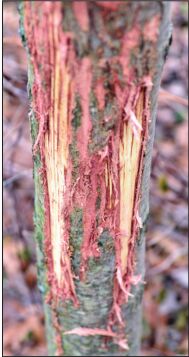
The pre-rut can be one of the best times to kill a mature buck, but you usually have to go to where they are most comfortable moving in daylight. This isn’t the rut, so that means diving into security cover, scouting for fresh buck sign, and hunting where they are most likely to move during shooting hours. File photo
The key is to combine weather with location. A cold front won’t make a bad stand choice suddenly produce. It can, however, make a good pre-rut setup considerably better.
That’s really what this period is about, because you aren’t waiting for the rut to save you.
You’re looking for the overlap between a buck’s established fall pattern, increasing testosterone, and the environmental conditions that encourage daylight movement. That might happen at the ladderstand on the field edge you’ve been hunting all fall, but it probably won’t.
A better bet is to go mobile, whether that means a hang-on stand, a saddle, or a natural ground blind. Get in where they should feel most confident, and use the sign and wind direction to tell you how to hunt.
Just remember, it’s not the rut (yet).
Play it cool
When the first stories about bucks chasing start circulating in deer circles, it’s exciting. The same goes for the trail camera that begins to show the bucks are moving more in daylight. This time of year is ripe for the early whispers of the rut, but it’s just not the rut yet.
A lot of hunters don’t look at it that way, and they’ll blind call, use estrous scents, and just generally treat the pre-rut like the rut. But if they were the same thing, we would need to call it something else. While bucks are certainly callable this time of the season, remember that the true chaos of the rut might be a week or more away.
It’s often a good idea to play it a little cool with calling, decoys, scents and anything you might use to spruce up a real rut hunt. It also pays to remember that any of those tricks can work, but will generally only work if you have already done your homework to employ them in the right spots.
So get out there and find that sign, those soft edges in the security cover, and play the wind. You just might find that you don’t need the rut to have an encounter with a really good one.