
Health care meetings fall short of goal
Feds extend some agreements, but no deal struck for long-term funding increases
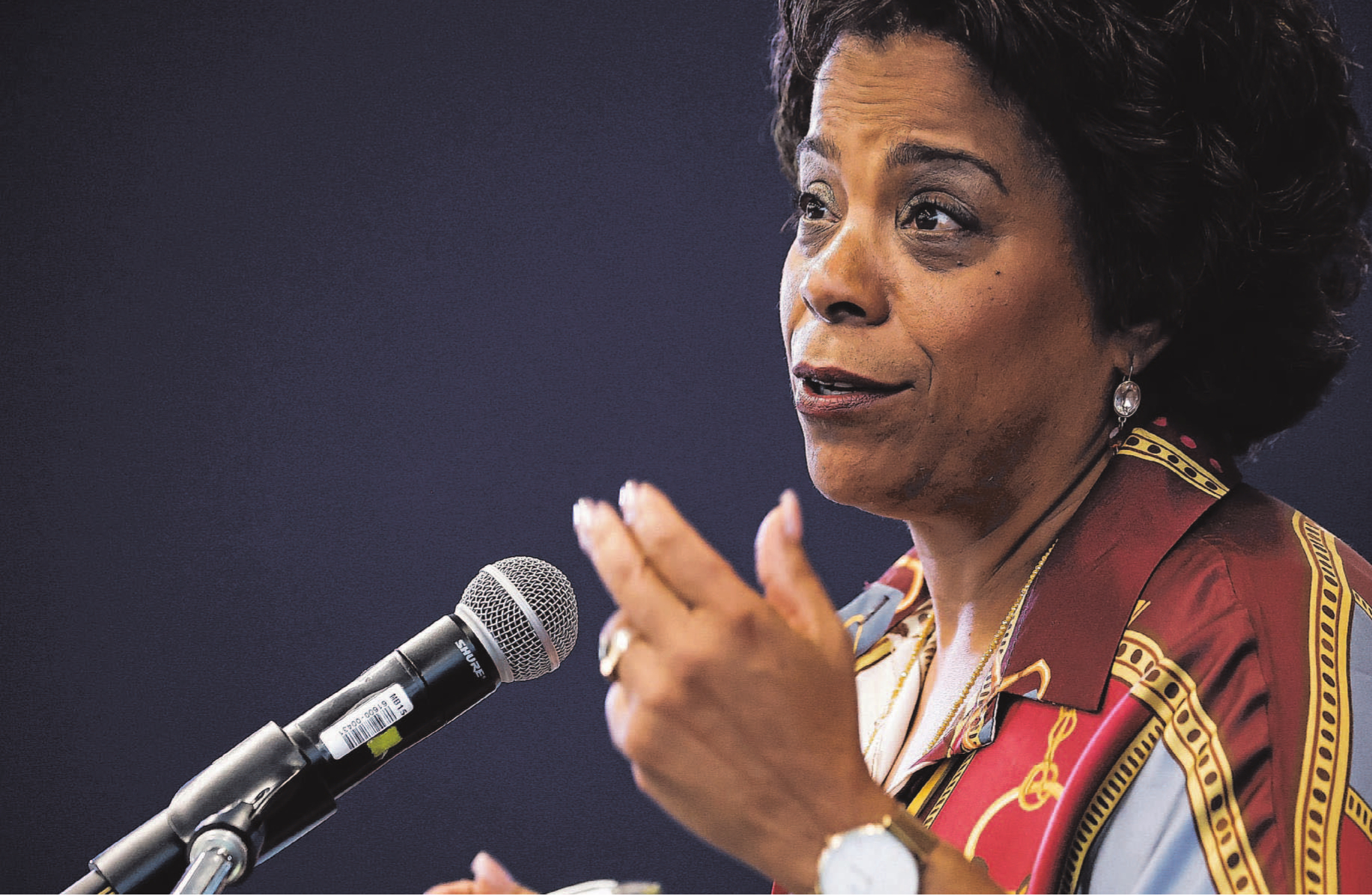
Federal Health Minister Marjorie Michel says the federal government is committed to working collaboratively with provinces and territories on renewing bilateral funding agreements.
CANADA’S health minister failed to deliver the promises of long-term funding increases that her provincial and territorial counterparts, who were gathered in Winnipeg this week, had been seeking.
Instead, Marjorie Michel reiterated the federal government’s commitment to working collaboratively towards renewing bilateral funding agreements and to meet again before the end of the year to discuss long-term funding.
“The decision we all agreed on is to have our public service... start the work on what will be the next step for the next negotiation on Canada Health Transfer and other agreements,” Michel said Friday at a news conference after meeting with the other health ministers.
When asked why the federal government couldn’t commit to maintaining funding levels geared, at a minimum, to the rate of inflation over the long term, Michel said that it’s time to update agreements signed a decade ago.
“I know the pressures, but I also know in many ways we have to be creative and we have to change the way we are doing things,” she said. “This is what we are doing right now. This exercise that we are starting is to move us to the next 10 years.... We need to update how we are providing care, and we are going to do it together for the benefit of Canadians.”
Manitoba received $2 billion from the Canada Health Transfer in 2026-27. Its allocation has increased annually, from $1.3 billion in 2017-18.
On Wednesday, Michel announced a one-year extension of a $1.2-billion funding agreement with the province for mental-health and substance-use treatment and home and community care that was set to expire at the end of March.
On Friday, she announced that Canada is renewing the National Strategy for Drugs for Rare Diseases with $500 million for another year — something the health ministers were also seeking this week. The funding is to help increase access to effective drugs for rare diseases and make them more affordable for patients across Canada.
“We got some bridge dollars, which is welcome,” Manitoba Health Minister Uzoma Asagwara, who hosted the health ministers meeting Thursday and Friday, said at the news conference.
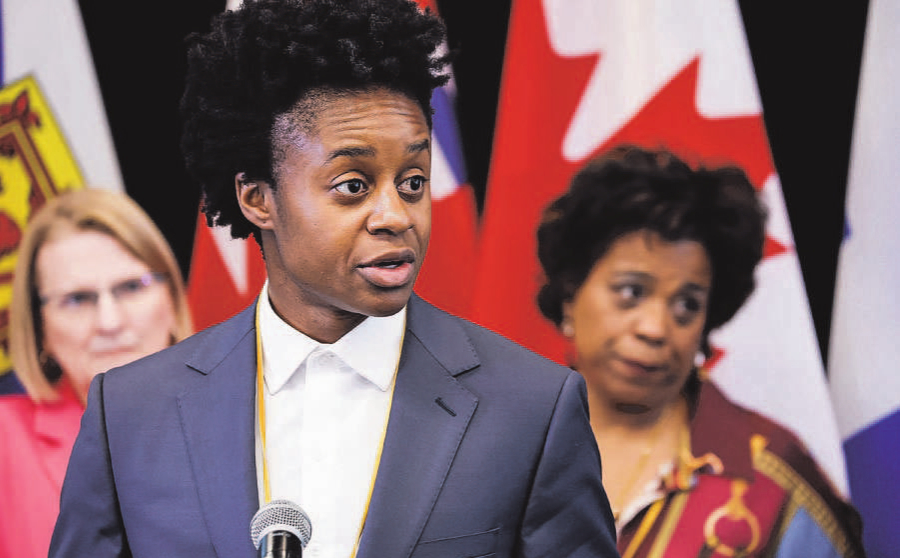
Manitoba Health Minister Uzoma Asagwara pushed for clarity on long-term federal funding.
“It’s our responsibility as provincial and territorial health ministers to push the federal government to bring their support to the table as a full partner and ensure that (we) are not facing the pressure of fiscal cliffs.
“We needed clarity on the long-term funding.”
Despite falling short of the target, Asagwara said it’s good to know that the federal government will continue to be a partner.
“We are all focused on doing the work to find out what the path forward for these long-term agreements (will be, and what) predictable, stable, sustainable funding is going to look like in the Canada Health Transfer,” Asagwara said.
In a news release Friday, the federal, provincial and territorial health ministers reaffirmed their commitment to work together to strengthen Canada’s pharmaceutical system and mitigate the potential impacts of U.S. tariffs and pricing policies.
The release said they’re united on improving pathways for internationally educated health professionals to work in Canada, and have asked national medical certification bodies to further align their work with health workforce needs.
They’re also on the same page when it comes to addressing the toxic drug crisis, reaffirming the importance of improving access to mental-health, substance-use, addictions and recovery services, it said.