
Student violence surges, MGEU says
Non-teaching employees faced 1,925 incidents of biting, kicking or related behaviour last school year
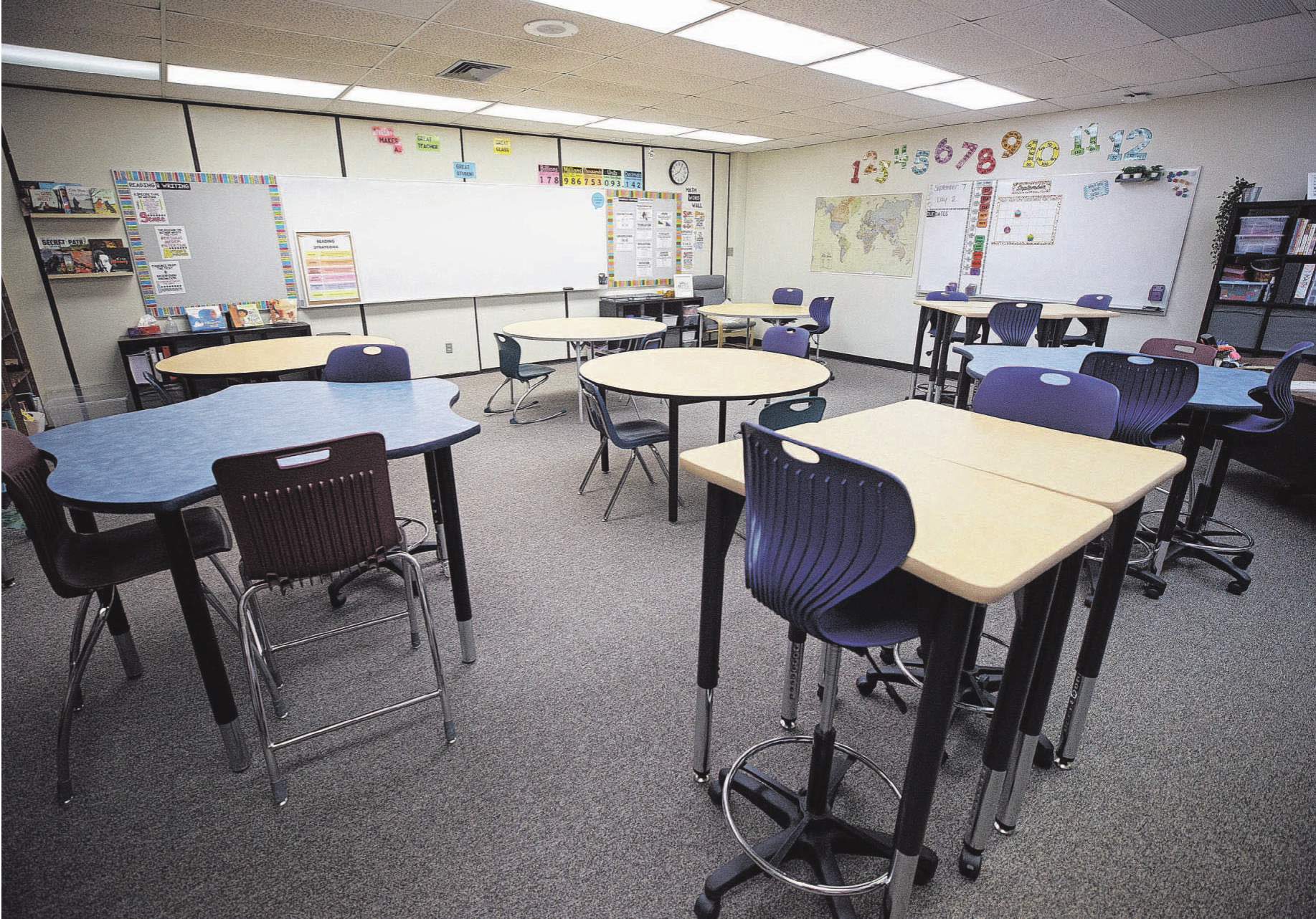
An overwhelming majority of aggression incidents in the Winnipeg School Division — 99 per cent, year over year — are reported by educational assistants.
Kicking, biting and other types of student aggression toward educational assistants in Winnipeg has surged 118 per cent since 2022-23.
The Manitoba Government and General Employees’ Union released a breakdown Friday of violent incidents involving support staff in the Winnipeg School Division, the province’s largest.
“You don’t need to teach math to see the numbers are going the wrong way,” MGEU president Kyle Ross said in a news release.
The data shows a surge in “student-related aggression” involving both children with additional needs and other students between 2022-23 and 2025-26.
During the 2022-23 school year, there were 884 reports of a non-teaching employee in the WSD being bitten, kicked or subjected to related behaviour. There were 1,925 incidents last school year.
MGEU represents more than 1,900 division support staff, including educational assistants, administrative clerks, secretaries and library technicians in public schools across inner-city and central Winnipeg.
Ross told the Free Press the union obtained the figures through a freedom of information request in response to anecdotal concerns that came from the workforce.
“It was really eye-opening for me to see this (data) and see it continue to grow over the last couple of years. It’s not a good situation for the students,” he said Friday.
The overwhelming majority of aggression incidents in the division — 99 per cent of them, year over year — are reported by EAs.
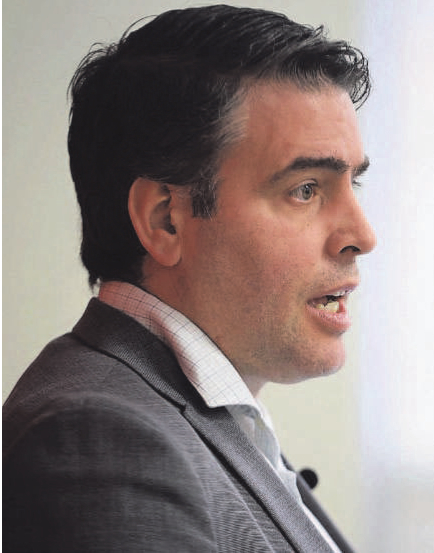
MGEU president Kyle Ross: data shows it’s not a good situation for the students.
Hitting was the most common type of aggression in both 2024-25 and 2025-26. A student hit a staff member at least 855 times between September 2025 and June, an increase of 224 from the previous school year.
One employee told the Free Press these figures don’t account for all incidents, despite what she said was her division’s top-notch reporting system, because staff are nervous to make disclosures.
“I’m seeing coworkers hurt. I’ve been hurt. We just don’t have the staffing that we need and that is critical,” said the EA who agreed to an interview on the condition of anonymity because she didn’t have WSD approval.
As a result, staff have to carry out tasks they are neither qualified nor paid to do, such as changing diapers, she said.
“EAs are going to do it because they care. They’re not going to leave a student without getting their needs met. The division knows we care and I think that gets taken advantage of.”
MGEU is calling for more training in de-escalation tactics and for new hires so that WSD staff can spend quality time developing relationships with individual children they are assigned to support.
The union has also identified concerns that its members are being hired into lower-level EA positions and asked to complete tasks beyond their pay grade once they’re on the front lines.
WSD Superintendent Matt Henderson said he wants staff to know their employer views workplace safety as “paramount” and efforts are ongoing to protect them and prevent burnout while classroom complexity increases.
“These incidents are, oftentimes, when we’re trying to figure out what a child is trying to communicate to us,” Henderson said.
“All children should be loved and cherished and it’s really incumbent around systems and adults to really understand what (their) needs are.”
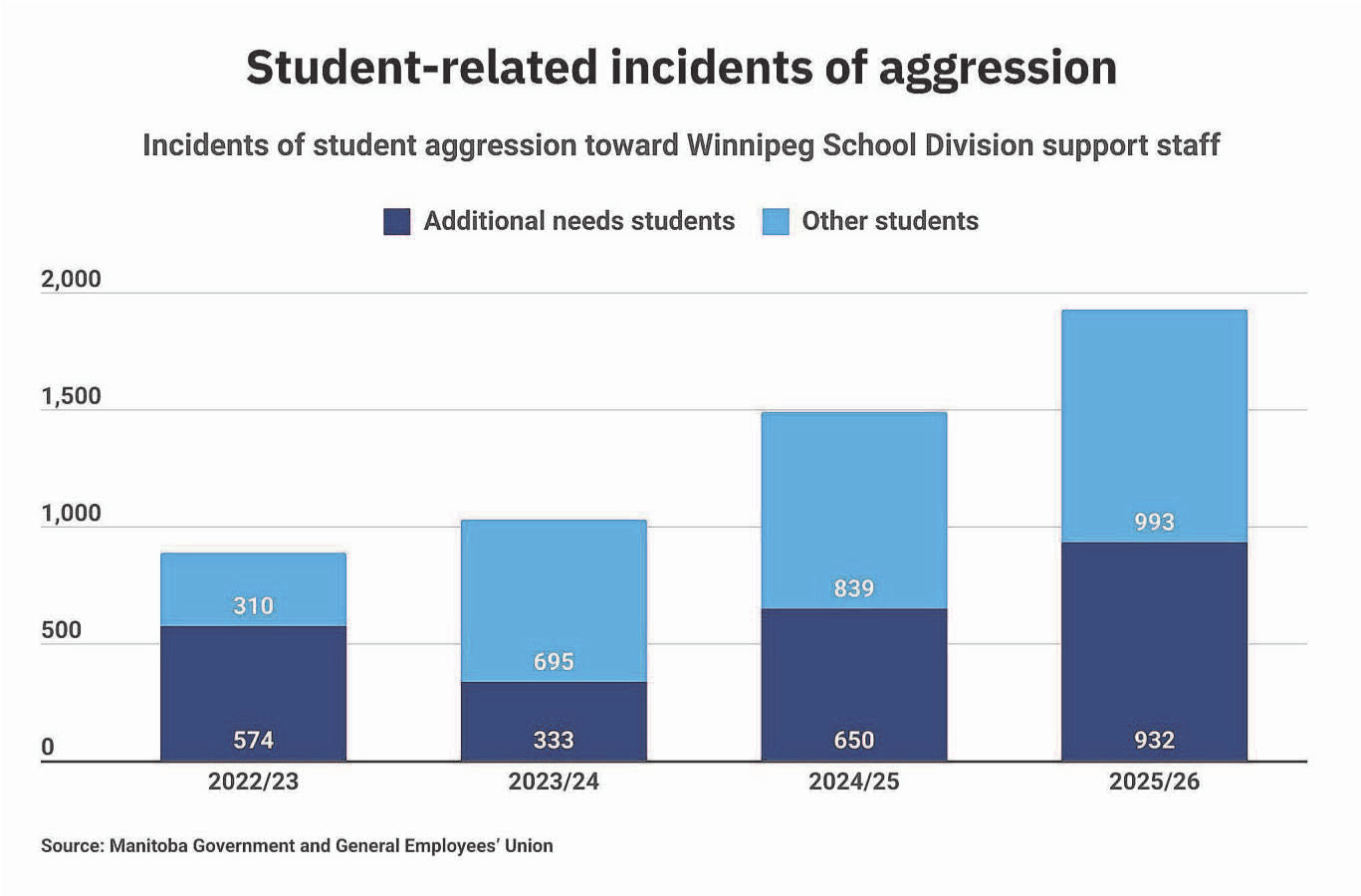
Student-related incidents of aggression. Incidents of student aggression toward Winnipeg School Division support staff
He noted the division has committed in collective bargaining with MGEU to train more EAs to use mechanical lifts and support hygiene-related tasks. Significant money and time is required to facilitate the process of moving EAs from Classification C to D.
Since the assumed his position three years ago, the division has established professional development days for EAs, added 300 new positions and ensured individual employees have at least six hours of daily work. “Support comes in a variety of ways,” the superintendent added.
While noting the union is appreciative of the division’s efforts to bolster training to help staff better support students who are neurodivergent, Ross said more needs to be done because the incident tally is “far too high.”
He said violence affects staff morale and work-life balance and makes recruitment and retention more difficult.
Manitoba’s latest school finance report shows funding for “special needs,” including purchasing equipment and hiring staff to support students who have physical, cognitive and emotional or behaviour-related challenges, has risen by $62 million over the last two decades.
Since 2005-06, it has increased from $117.5 million — meaning it is has roughly kept pace with the cost of living over time.