
Half Pints out of bankruptcy, back on shelves
Local craft brewing trail blazer under new leadership; retains recipes, beer brands that ‘have stood test of time’
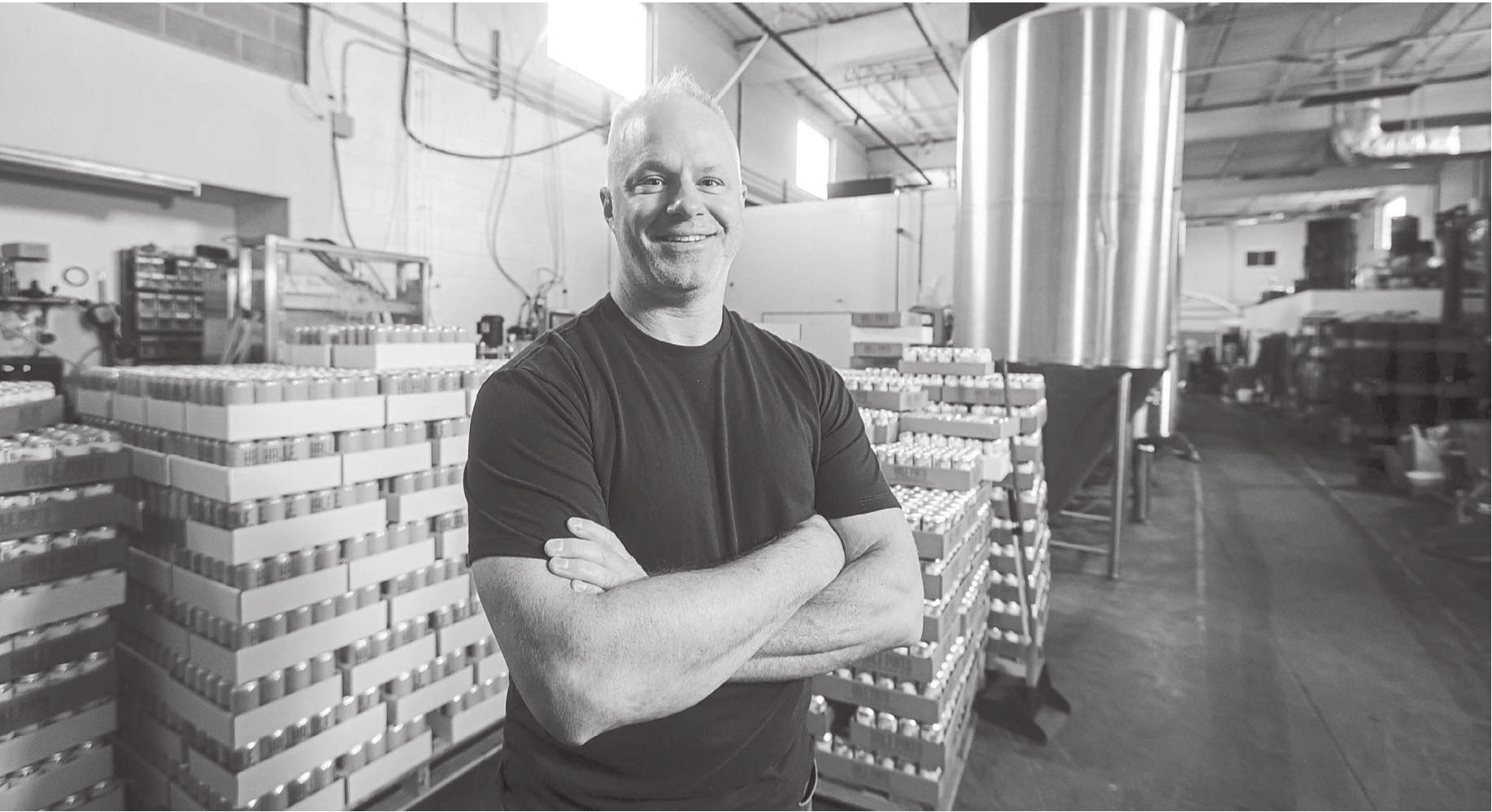
‘Winnippers like them and we’re really just focused on getting the same great beers back out so people can keep enjoying them,’ says Andrew Holtmann, new owner of Half Pints Brewing Co.
A pioneer of Winnipeg’s craft brewing scene has reopened under new ownership. Andrew Holtmann purchased Half Pints Brewing Company Ltd.’s assets out of bankruptcy in June. Half Pints brand beers such as St. James Pale Ale and Little Scrapper IPA started returning to store shelves on Friday, and the brewery’s taproom will reopen before the end of the month, Holtmann said.
The entrepreneur said one of the first things he did when he took over was hire Half Pints founder David Rudge to be the company’s brewmaster.
“The beers that (Dave’s) been making for 20 years have stood the test of time,” said Holtmann. “Winnipiggers like them and we’re really just focused on getting the same great beers back out so people can keep enjoying them.”
Rudge, 51, said he’s pleased with the new arrangement. “I wake up, I’m excited, I come to work, I brew beer — everybody’s happy.”
The company’s Bulldog Amber Ale, Stir Stick Stout and Code Name Ghost IPA beers are returning, as well as its seasonal Oktoberfest brew. So, too, is Bikey McBikeface, a grapefruit lager that is hitting store shelves after a two-plus-year hiatus.
Rudge started Half Pints in 2006, when national and international beer ruled the market. Only Fort Garry Brewing Co. Ltd. shared the city when Rudge opened for business on Keewatin Street, and at the time, the former was owned by a British Columbia firm.
Rudge had spent the previous years brewing in other provinces. Half Pints quickly outgrew its first site and moved to 550 Roseberry St. in the St. James neighbourhood. At its peak, the company employed 14 people.
Along the way, Rudge lobbied the provincial government to make it easier for craft breweries to operate and to open licensed taprooms.
In 2014, two craft brewers operated in Manitoba. By 2023-24, there were 26 brick-and-mortar breweries in the province and another 12 contract breweries. The sector contributed $14 million to the provincial GDP directly and in the months before the COVID-19 pandemic, Holtmann said. His goal is to get back to peak production and eventually exceed it by 50 per cent.
Holtmann and Rudge are the only staff members right now, but Holtmann said he expects to hire around eight people in the next month.
Half Pints is the first company the entrepreneur has owned, but he’s no stranger to business. He holds an undergraduate degree in agricultural economics and an MBA from the University of Manitoba.
Before purchasing the brewery, his career included stints as a manager of capital markets at Wellington-Alto Private Wealth, a research analyst at Tundra Oil and Gas, and a research associate at James Richardson & Sons Limited.
The brewery hit its peak production in 2014, with 1,000 hectolitres of beer brewed in a year. Holtmann said the company could not find a buyer, and Half Pints fell into bankruptcy in May.
“It’s just the way that sometimes business goes,” Rudge said. “I wasn’t too worried about it.”
Holtmann stepped in the following month and purchased the company’s assets, including the name, equipment and recipes, for a figure he said amounted to “about the price of a car.” He’s since invested an additional $250,000 on ingredients and equipment, including a canning line.
The new deal protects local jobs, Premier Wab Kinew said Friday. He’s set a goal of tripling mining production in Manitoba over the next five years.
“The province-wide target doesn’t happen without this,” Kinew said during a news conference. “In order for us to hit that target, everything needs to triple.”
“We need to be doing more potash, more critical minerals, more precious metals.”
Nisichawayasihk Cree Nation Chief Cheryl Moore warned against excluding her community from development and its benefits.
“We don’t want to be left out anymore,” Moore said. “We’ve been left out for decades, for a long time, with the mining industries and other industries that have developed in our own backyards.”
The environment and community members have suffered as a result, Moore added.
Her comments came after the Friday news conference had restarted. The government-led event ended without Moore getting a chance to speak.
More than 200 people attended the opening of the Half Pints-owned brewery on King Street, and the brewery’s taproom will reopen before the end of the month.
For more than 15 years, Half Pints has been a fixture in Winnipeg, a city with a long history of brewing. The new ownership allows the company to continue producing beers that have earned loyal customers.
The new owners are looking forward to restoring the brand and making it available again to longtime fans. Rudge is pleased to be back at the brewery and says he wants to ensure the recipes and quality remain consistent.
The story of Half Pints’ return is welcome news for Raj Maniar, who organizes Beer is Art, an annual festival at the Manitoba’s craft beer scene.
“It’s amazing to see that Half Pints is back,” Maniar said. “I’m excited to see what the new owners bring to the table.”
Steve Nelson, manager at the Beer Boutique beer vendor on Regent Avenue West, said Half Pints was always high in demand when his store carried it. He’s looking forward to speaking with Holtmann about getting it back on his shelves.
For Nelson, it’s important to support local craft beer brands, especially amid the Canada-U.S. trade war.
“It puts a spotlight on Manitoba and all the great beer we have here, and Dave Rudge is, without question, a pioneer in that,” he said.