
IN PLAIN SIGHT, BUT OUT OF MIND
Those on the front lines of coping with the city’s deepening homelessness and drug crises express concern at civic election candidates’ lack of attention to the issues
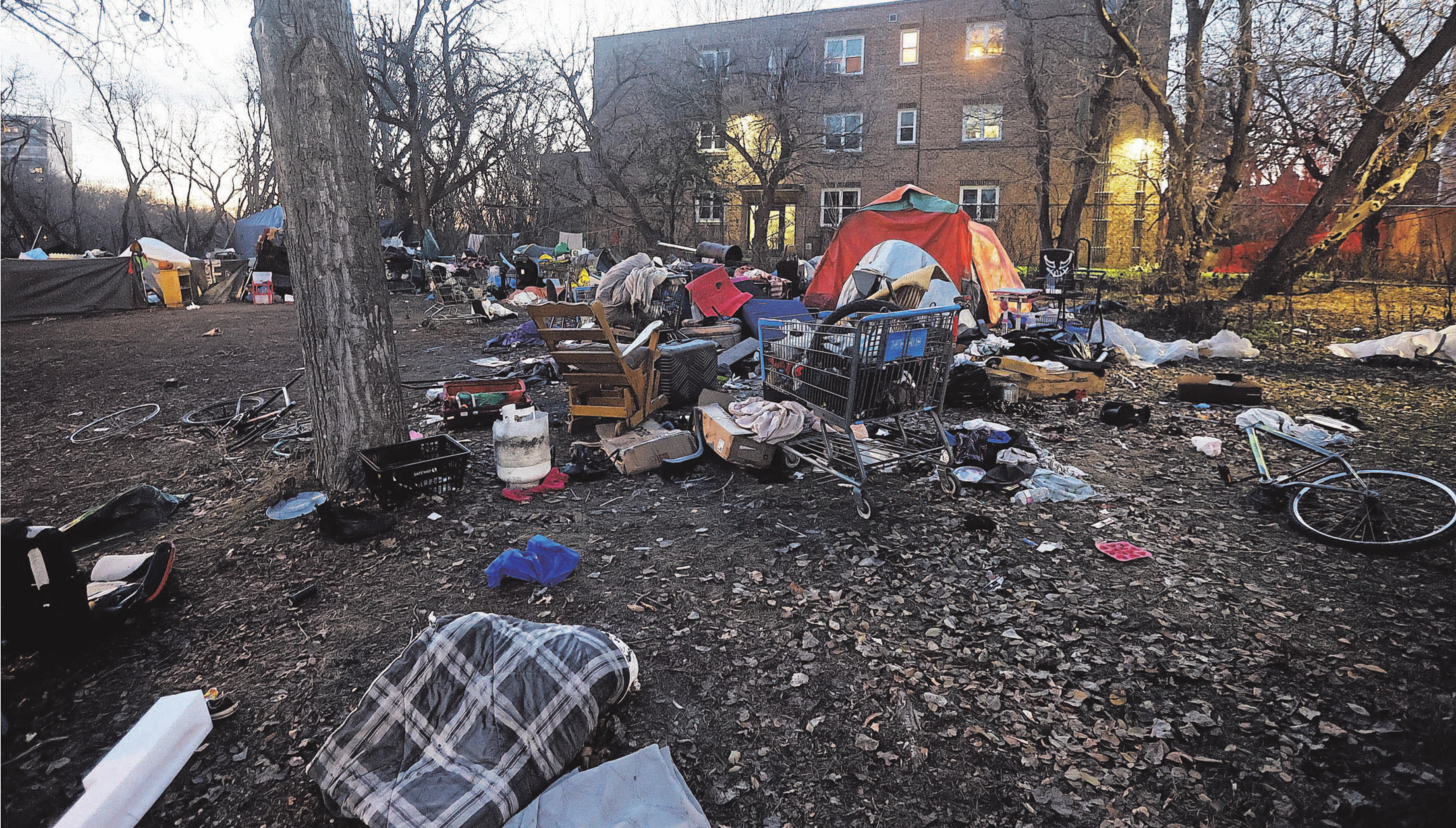
John Woods / Free Press
JUST steps from city hall, two significant challenges facing Winnipeg play out every day.
But despite the proximity to the ongoing homelessness and toxic drug crises that have become woven into the fabric of Main Street, front-line service organizations worry civic leaders have lost sight of what needs to be done.
Marion Willis, executive director of St. Boniface Street Links, says the situation has deteriorated under current Mayor Gillingham and council, with inadequate support for outreach services and an unwillingness by the city to take greater responsibility for addressing homelessness.
“If you look at the last four years, I haven’t seen things get better in our sector, I’ve seen things become amplified in the most negative of ways,” Willis says.
Despite the high-visibility of the overlapping crises on city streets, they have received little attention on the civic election campaign trail. The Free Press interviewed five key stakeholders: Willis; Jamil Mahmood, executive director of Main Street Project; Lisa Cefali, interim chief executive officer at Siloam Mission; Kate Sjoberg, executive director of Resource Assistance for Youth, Inc.; and Jennifer Rattray, executive director of End Homelessness Winnipeg, to find out what they want to see take place over the next four years with a new city council. The Free Press also interviewed Gillingham and his leading mayoral challenger, Kevin Klein.
While their views differ on some issues, the front-line organizations are united in pressing candidates for more than promises of additional housing. They want meaningful investments in outreach, a rethink of the city’s enforcement approach to encampments and public drug use, and a greater municipal role in tackling crises that have shown little sign of easing.