
Helping hand in times of crisis
Red Cross volunteer honoured for years of service
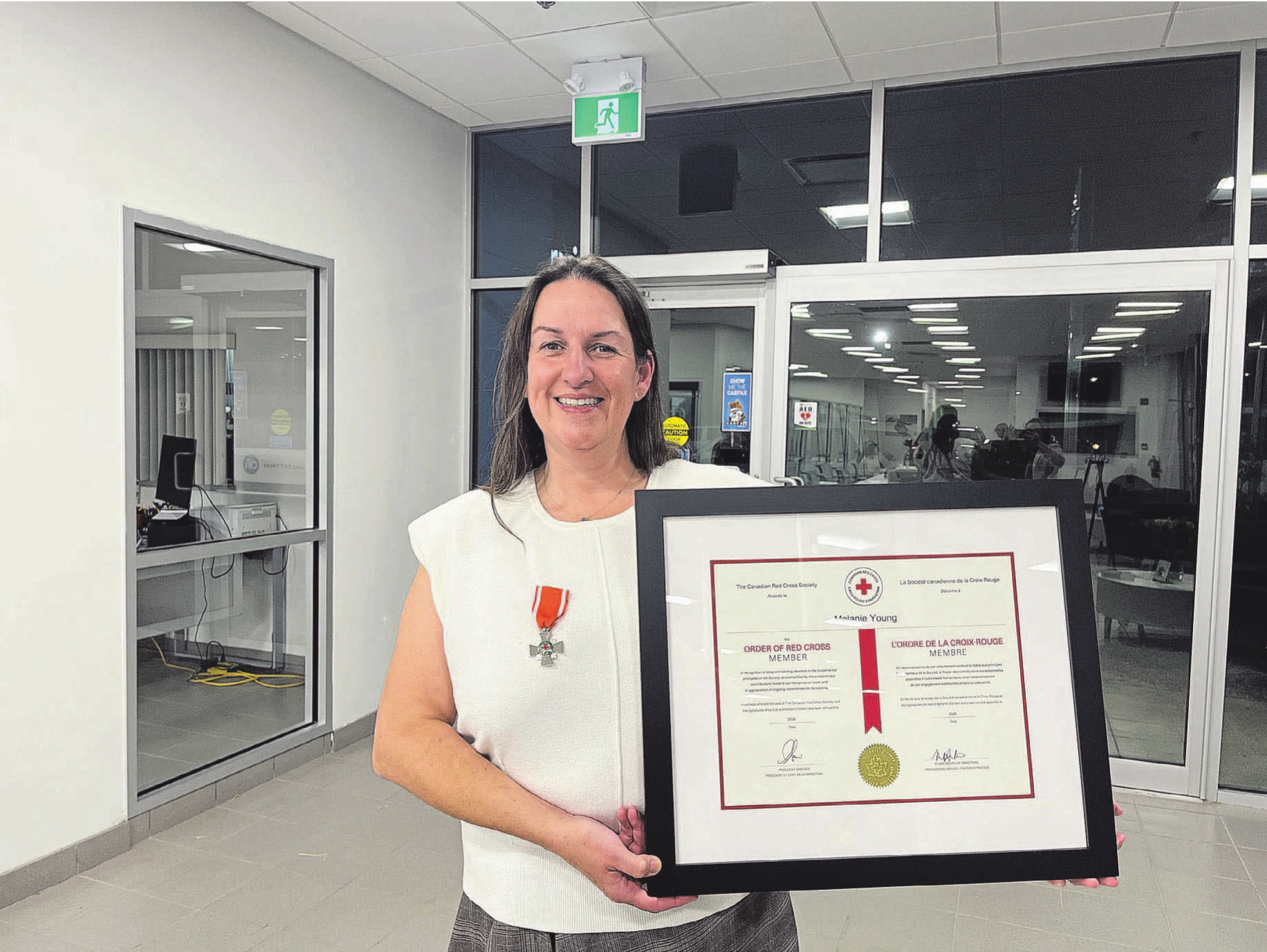
After 14 years of service, Melanie Young was awarded the Order of the Red Cross, one of just 483 Canadians to receive this recognition since 1984. (Supplied)
Melanie Young was taken aback when she was awarded the Order of the Red Cross after 14 years of service.
“I appreciate it but it’s still a surprise. I feel like I don’t deserve it. There’s so many volunteers and so many teams everywhere involved in what we do. So many others that deserve it,” says the Canadian Red Cross volunteer.
The Pas resident was given the organization’s highest honour for supporting Manitobans during some of their most difficult moments at a private ceremony this month.
Young was the only recipient of the award in the province this year and is one of 483 Canadians to have received the honour since its creation in 1984.
Her recognition shines a spotlight on the often unseen role rural Manitobans play in responding to emergencies.
“From one-on-one disaster assistance to leading large emergency response teams during large-scale operations, Young has become known within the organization for her compassion, mentorship and ability to build trust under pressure,” a spokesperson from the Canadian Red Cross states.
Young joined the Canadian Red Cross nearly 15 years ago. A friend had suggested the idea and she didn’t need much convincing.
“I thought it was a worthy cause to get involved with. I like being able to help people who are facing an immediate problem,” she shares.
Young started out as a responder, the first point of contact for individuals displaced by emergency.
“There’s two different kinds of emergencies I deal with — emergencies such as forest fires and personal disasters such as house fires,” she explains.
The front-facing role requires the completion of training modules.
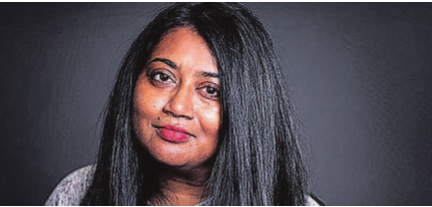
Melanie Young
“We learn more about our role and how to function in that role and we are trained on how to work with people who have experienced trauma. We also receive training on Indigenous cultures and communities because in Manitoba, our large-scale evacuations are done with First Nations communities,” Young says.
“Part of the training is learning how to approach and communicate with people who are in a state of shock. Volunteers can sometimes encounter people who have been evacuated multiple times due to different emergencies.
“Being displaced from your home, being displaced from your community, is incredibly difficult. They’ve experienced this more than once, they’re remembering how they felt and they’re revisiting all that pain and stress from previous times,” Young says.
“You need to lead by listening because sometimes someone may need to just talk. You have to be very sensitive, very empathetic. And you need to listen first before you speak, before you ask for information from them.”
In the years she’s been volunteering, Young has moved through the ranks and is currently site manager at The Pas.
She has built relationships with the communities she works with after assisting them on an ongoing basis, which, depending on the scale of disasters, can often last several weeks.
She points out that when people’s initial shock recedes, they are able to share moments of levity.
“Even when people are experiencing so much trauma, all of a sudden someone will joke because they’re not in the state of shock they came in with. It’s nice to see people start to feel like they’re safe,” she says. “And they’re still so worried, it’s not like they’re all better.
“And often times people include you, they tell you stories, share things about their community you didn’t know before. They kind of adopt you, make you part of their community. It’s a nice feeling ... it makes you feel like ‘OK, I’m doing something for someone today, I did something worthwhile.’
For information about the story, please contact AV.kitching@freepress.mb.ca.